
When it comes to chocolate, certain global market trends persist: Consumption is higher in winter than in summer, sales volumes are generally higher in Western countries, and the appetite for chocolate is growing worldwide.
Germany’s chocolate exports rose by 5,1% in 2018, and confecioners like Callebaut (Switzerland) report a surge in global sales. And how is the China chocolate industry developing?
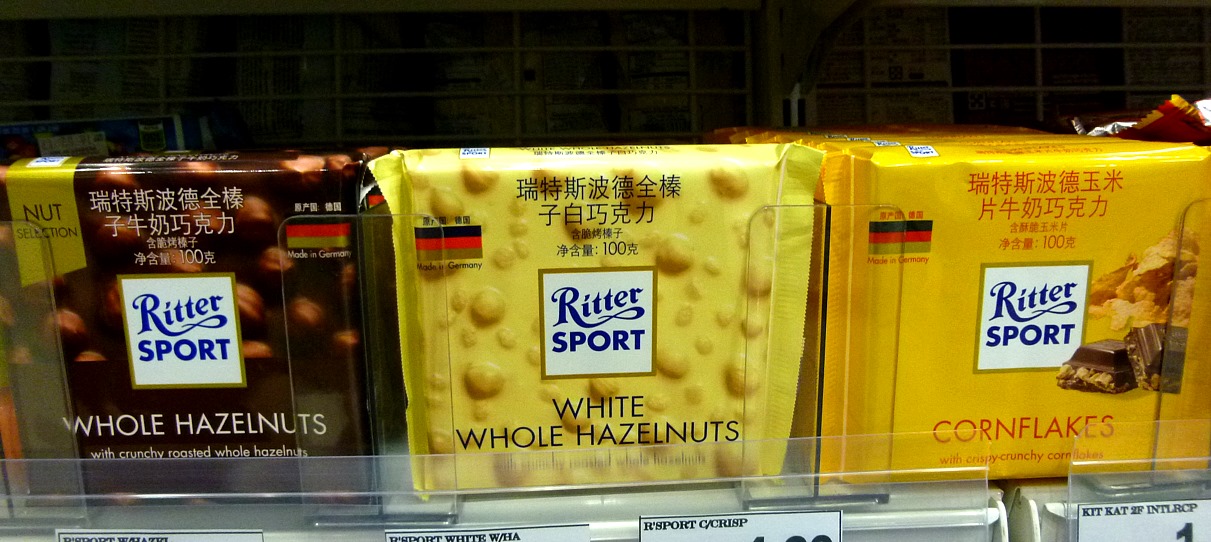
The China chocolate industry is estimated to be at around three billion US dollars (ca. 20 billion RMB), with new chocolate brands constantly pushing into the market. At the opening of their showroom and flagship store in Shanghai Zotter, the Austrian premium chocolate producer, which has been available in China since a couple of years, revealed that the demand for the sweet delicacy, especially the dark one, has been increasing in the Middle Kingdom.
Chocolate in China: Premium treat made in Europe
In fact, the Chinese do not consider chocolate to be an everyday kitchen-cupboard essential. Rather, it is connected very closely to European high-class food products, and therefore it can still be seen as a niche category – especially when it comes to consumption patterns: The average Chinese eats one chocolate bar per year (approx. 100 grams), whereas the average citizen in Germany, Switzerland and Austria enjoys around 90 bars, and the US American around 50 bars annually (source: Statista).
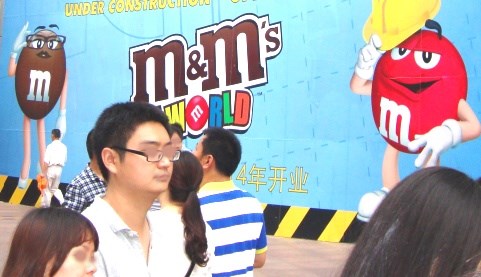
The biggest players in the China chocolate industry are all from abroad: Mars, Ferrero, Nestlé, Hershey and Mondeléz. Their leading positions are mainly due to the fact that they got their feet into the door back in the 1980s, being the first ones to sell chocolate in China. Many of their sweet products are positioned as premium, with prices considerably higher than in Western countries, which is justified by exquisite packaging, celebrity endorsements as well as flagship stores in the cities’ posh shopping venues, like for example “M&M’s world” in Nanjing Lu in Shanghai, and the recently opened, chocolate-themed store “Dove hotel” by Mars Inc.
China chocolate industry: Uptrading brings growth
However, the industry is not necessarily on the up, rather there is a trend of uptrading which bears the chance of higher profits. Carried out by Euromonitor, a 2017 study shows that there is a decline of 2% in the confectionary retail, and at the same time a 2% value increase. Premium goods like chocolate from Godiva and Zotter are gaining demand, whereas low to mid-priced candy bars like Snickers see the necessity to increase marketing spendings in order to keep sales constant.
Chocolate imports to China from Africa
Chocolate imports to China from other regions are on the rise, with the support of the Chinese government. For the first time ever, China has launched an official import fair this year, and chocolate was among the most promising commodities for future trade activities. The new fair “China International Import Expo” took place in Shanghai in January, and was opened by the country’s president, Xi Jingping. In his speech he highlighted the importance of free trade and multilateral trading systems which create opportunities for imports to China from the world.
Among the more than 3500 exhibitors from more than 170 countries, many cocoa producers as well as chocolate makers were featured prominently. Ghana was participating with the Ghana cocoa board, and the Philippines were showcasing their sweet creations of Filipino-made chocolate. All are keen on generating successful sales in China where the majority of consumers prefer foreign chocolate brands.
All in all, the China chocolate industry is growing robustly and expected to reach more than five billion US dollars by 2023. Foreign as well as domestic manufacturers are catering to the demands of the mainly urban consumers in big cities, in hope for a similar development like wine and coffee: typical Western food which is adapted to the modern Asian lifestyle.
 Marketing in China: What´s New?